How to Decorate a Cake with Prepared Chocolate Curls Without a Heavy Pile
This project helps you arrange food-labeled chocolate decorations in a balanced low profile. Begin with fully baked, completely cooled cake or cupcakes from a trusted recipe or bakery, plus frosting and fillings prepared according to reliable published or manufacturer directions. The article provides original layout and execution guidance; it does not claim that a new cake recipe or shelf life has been tested. Choose the scale you can support, store and transport, and read the linked technique references alongside the directions for your actual ingredients.
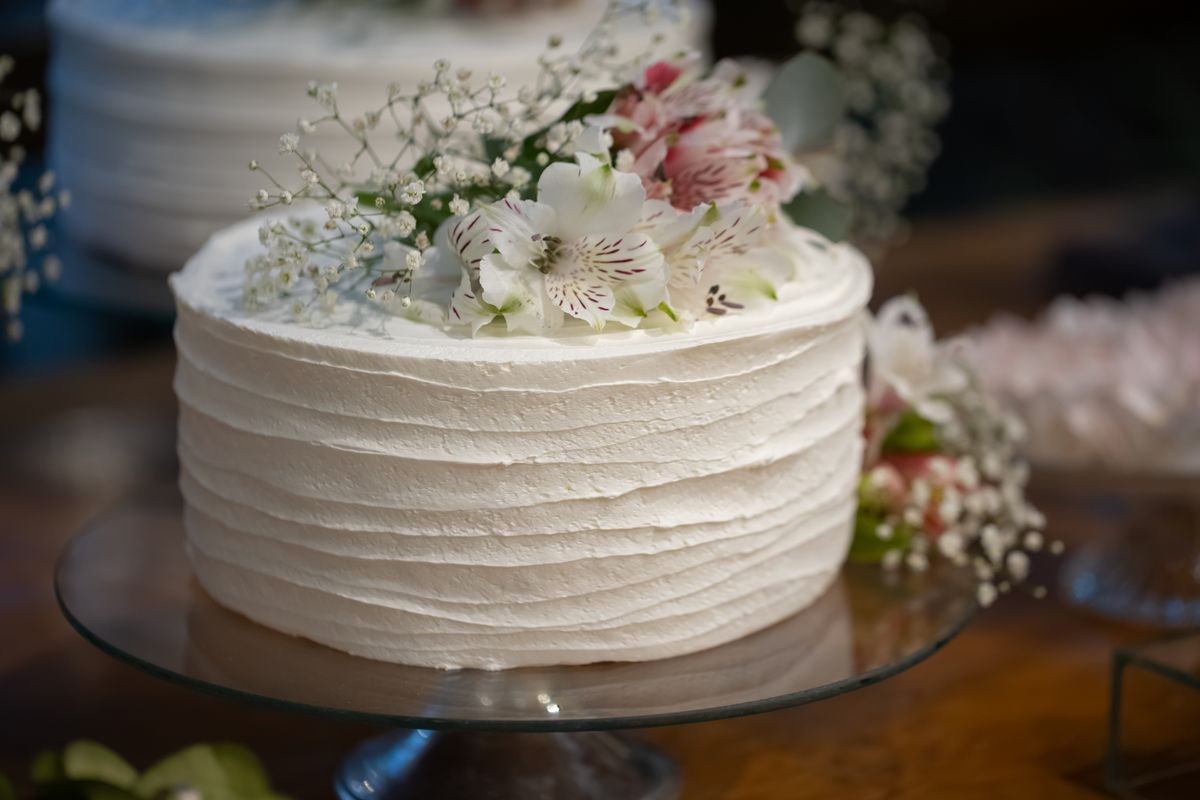
Photo: Pexels · License. Illustrative stock photography; pictured people, products and settings are not claimed to demonstrate this exact guide or endorse this publication.
Choose prepared edible decorations
Use chocolate curls or shavings labeled for food, with readable ingredient and storage information. This keeps the project focused on assembly rather than an untested tempering process. Check relevant allergens for guests. Decorative craft pieces that resemble chocolate are not substitutes, and a dark color does not establish that a product is dairy-free.
Plan a low grouping
Choose an arc, short band or off-center cluster rather than an uncontrolled pile. Keep the cake's scale and message area visible in the plan. Low decoration can be easier to box and serve. A coherent arrangement needs fewer pieces than a surface covered simply because the package contains more.
Prepare a suitable surface
Use a fully baked cooled frosted cake with a surface that can support the pieces. If frosting is very soft, follow its source's handling guidance before placing decoration. Do not use the curls as a repair for an unstable stack. The cake should already be ready for its final edible accents.
Handle with clean dry tools
Use a food-safe spoon or suitable tweezers and avoid unnecessary direct handling. Follow the product's temperature and storage advice. Warm hands can affect delicate pieces, but do not improvise extreme cooling or heating methods. Work with a small portion while the rest stays protected according to the package.
Place the larger anchors
Start with a few larger curls that establish the shape. Position them so they sit securely rather than leaning precariously over the edge. Check from the front and side. If they will not stay in place, reduce the height or choose a flatter arrangement instead of burying them under additional decoration.
Connect with smaller pieces
Add fine shavings sparingly to link the larger pieces. Keep some frosting visible so the grouping remains intentional. Small fragments can be useful texture, but they should not turn the entire top into a dense layer. Consider how a slice will be served without scattering a large mound of loose chocolate.
Check packaging clearance
Put the cake near its box and compare the highest decoration with the lid space before closing. A tall curl can break even when the cake itself fits. Keep the board stable and avoid a loose box that lets the cake slide. The packaging plan should influence the final height.
Follow both sets of storage needs
Prepared chocolate and the cake may have different presentation concerns. Food safety follows the most perishable component, not the driest decoration. Follow reliable recipe and package directions and avoid promising that curls will look unchanged in every refrigerator or warm venue. A simpler garnish can be added later when that fits the safe handling plan.
A worked decorating decision
A bag of curls makes it tempting to cover the whole cake. Begin with a small off-center grouping and step back. Use a few larger pieces as anchors, then add finer shavings to connect them without forming a tall unstable mound. Leave room for the message and check lid clearance. If pieces soften or break during handling, reduce direct handling and follow their storage directions. This guide arranges prepared edible decorations; it does not claim to teach a tested tempering process or a homemade chocolate formula.
Finish with a clear project record
Record the cake's actual size, the prepared components, the tools and the layout that helped you arrange food-labeled chocolate decorations in a balanced low profile. Note the first controllable problem rather than labeling the entire attempt a failure. A frosting-condition issue, an oversized motif and a box-clearance problem require different corrections. Practice a new motion on a clean plate, then keep the first real example as a scale reference for the rest. You do not need to use all remaining frosting or every purchased decoration. A simpler coherent result is often easier to serve and transport. For another occasion, repeat the useful decisions and change only the part that needs improvement.
Your working checklist
Checkmarks stay in this browser when storage is available. They do not submit information or complete a purchase.
Put it into practice
- Read the prepared chocolate decorations' ingredient and storage labels.
- Plan a low grouping with clear space for any message.
- Place a few larger curls using clean dry suitable tools.
- Add smaller shavings sparingly to connect the arrangement.
- Check stability and box clearance without pressing decorations into a soft cake.
- Store according to both chocolate and cake component directions.
Before you finish
- The design achieves the intended task to arrange food-labeled chocolate decorations in a balanced low profile, without unrelated extra decoration added by habit.
- Cake is fully baked and cooled, prepared components follow a reliable source, and any tools or decorations contacting food are suitable for that use.
- The first motif or application has been tested separately where appropriate; one successful real example establishes scale for the remainder.
- Board, box, storage and serving plans fit the finished cake, including all relevant refrigeration and time-out-of-cold requirements.
Common questions
Is this a complete baking recipe?
No. It is a decorating and assembly project designed to arrange food-labeled chocolate decorations in a balanced low profile. Use a trusted cake recipe or bakery product and follow the frosting or filling source exactly. Ingredient ratios, baking times and yields are not invented here. A decorating method cannot establish that an untested baking substitution will work.
What should I do if the frosting behaves differently from the example?
Stop and check its preparation and working-condition guidance before adding random liquid or sugar. Revisit “Handle with clean dry tools” and test a small portion away from the cake. Different finished formulas can behave differently. Pressure, tool setup and temperature may need a source-supported adjustment rather than a larger quantity of frosting.
How long can the decorated cake stay out?
There is no single answer for every cake. Follow the strictest directions for its ingredients. USDA advises that perishable food should not remain unrefrigerated beyond two hours, or one hour above 90°F; decorating, transport and display count together. Keep required cold food at 40°F or below and use the actual recipe or package requirements.
Can I add flowers, glitter or a decorative topper?
Use only decorations intended for food where they contact edible surfaces, and check their ingredient information. Craft glitter and florist flowers are not automatically edible or appropriate. A nonedible topper must be suitable for its intended placement, identifiable and removed before serving. The project does not require hidden structural supports or complex heavy decoration.