How to Decorate Mini Loaf Cakes with a Simple Frosting Ribbon
This project helps you add a consistent low decoration that suits the loaf shape and packaging. Begin with fully baked, completely cooled cake or cupcakes from a trusted recipe or bakery, plus frosting and fillings prepared according to reliable published or manufacturer directions. The article provides original layout and execution guidance; it does not claim that a new cake recipe or shelf life has been tested. Choose the scale you can support, store and transport, and read the linked technique references alongside the directions for your actual ingredients.
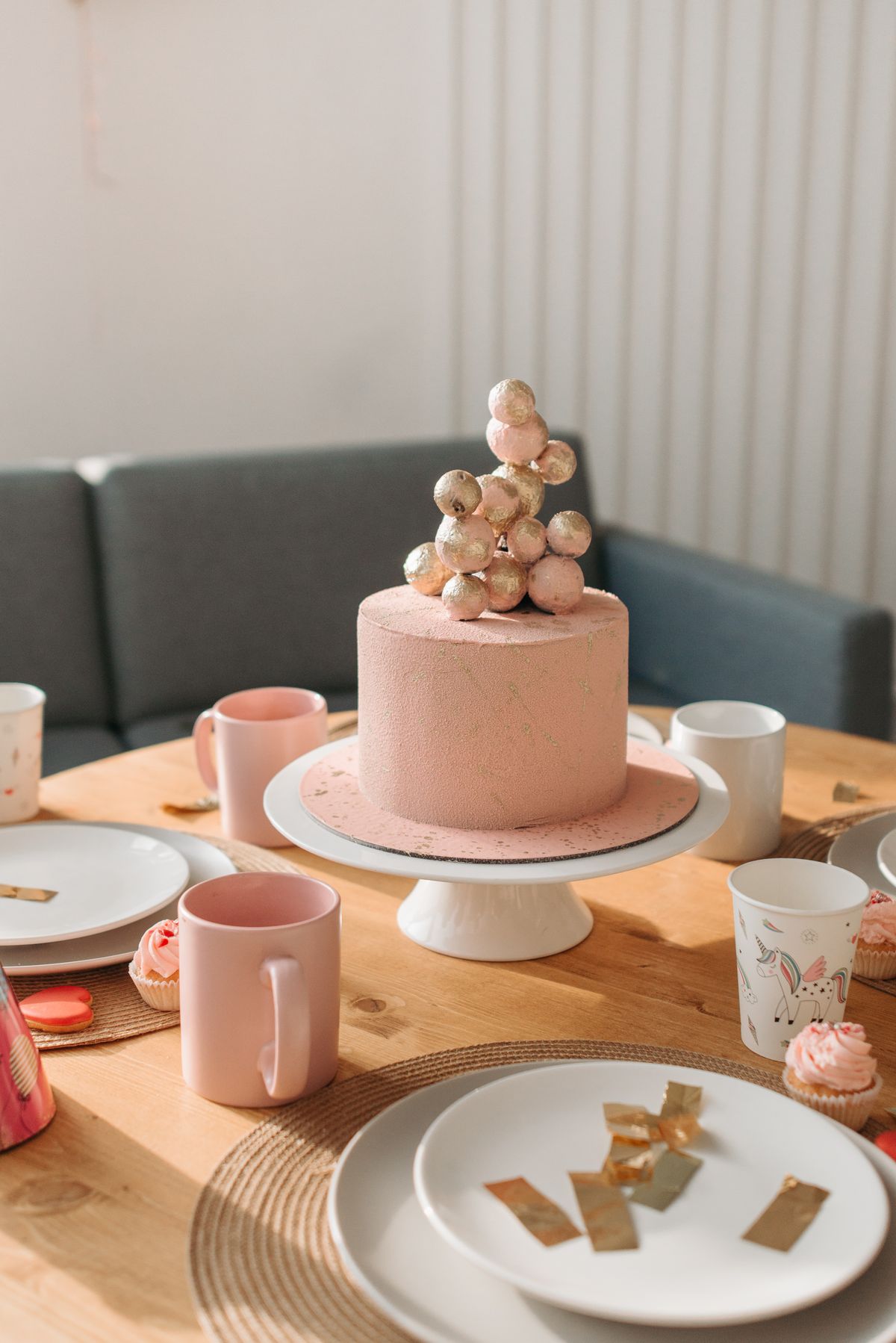
Photo: Pexels · License. Illustrative stock photography; pictured people, products and settings are not claimed to demonstrate this exact guide or endorse this publication.
Use the loaf's proportions
A mini loaf has a different footprint from a cupcake. Choose a lengthwise ribbon, short zigzag or small repeated pattern that fits its narrow top. Leave some cake visible if that supports the design. Do not automatically copy a tall round swirl simply because it is a familiar piping technique.
Check packaging before frosting
Compare the actual loaf, liner or board and box height. Individual gifts need food-safe materials and enough clearance for the final decoration. A low pattern can simplify transport. Decide the available height before decorating all the loaves, because removing crushed frosting later is more work than testing one complete package first.
Prepare reliable components
Use fully baked cooled loaves from a trusted source and prepared frosting suitable for the project. This guide does not supply an untested loaf recipe. Check filling and topping storage needs. A loaf-shaped cake is not automatically shelf-stable once a perishable frosting or filling has been added.
Choose a controlled tip
A plain or star opening can both create a deliberate ribbon. Use a compatible bag setup and a manageable amount. Practice at approximately the loaf's scale so the line is not too wide. The tip should support the motion you can repeat, not introduce a decorative effect that requires much more frosting than the shape needs.
Practice a low ribbon
Pipe on a clean plate, keeping pressure and forward movement reasonably consistent. Stop before lifting at the end. If the ribbon breaks, check the frosting's condition and bag setup rather than forcing a larger amount. A low controlled strip is the goal, so avoid stacking several passes over the same center by habit.
Decorate one loaf first
Start and finish within the top area, leaving space at the ends for a tidy look. Check from the side to confirm the height. A small local correction is enough if one section is uneven. Do not widen the whole ribbon to disguise a small break unless that wider design genuinely suits the loaf.
Repeat with a simple accent
Use the first successful loaf as a scale reference. If adding a sprinkle, curl or other detail, choose a food-labeled decoration and keep the amount restrained. Known ingredient information should remain available for recipients. A coordinated gift can use one repeated motif rather than a different complicated design on every loaf.
Pack for safe handling
Keep decoration away from the wrapper or box lid and prevent the loaf from sliding. Follow the most perishable component's handling directions. Include relevant recipient instructions rather than a universal homemade-cake shelf-life claim. A decorative paper wrapper is not evidence that the finished food can remain unrefrigerated.
A worked decorating decision
A tall cupcake-style swirl looks awkward on a narrow loaf and hits the box lid. Try one low lengthwise ribbon instead. Practice the motion on a plate at the loaf's scale, then leave a little cake visible at both ends. Add only a small edible accent if the design needs it. Check the box before repeating the batch. A consistent low pattern can make several mini loaves feel like a coordinated gift without an elaborate topping that makes them difficult to handle.
Finish with a clear project record
Record the cake's actual size, the prepared components, the tools and the layout that helped you add a consistent low decoration that suits the loaf shape and packaging. Note the first controllable problem rather than labeling the entire attempt a failure. A frosting-condition issue, an oversized motif and a box-clearance problem require different corrections. Practice a new motion on a clean plate, then keep the first real example as a scale reference for the rest. You do not need to use all remaining frosting or every purchased decoration. A simpler coherent result is often easier to serve and transport. For another occasion, repeat the useful decisions and change only the part that needs improvement.
Your working checklist
Checkmarks stay in this browser when storage is available. They do not submit information or complete a purchase.
Put it into practice
- Check cooled loaf dimensions against the intended food-safe packaging.
- Practice a low lengthwise ribbon using prepared frosting.
- Pipe one ribbon with clear space at each end.
- Stop pressure before lifting and correct a weak local section.
- Add an optional small food-labeled accent without increasing height unnecessarily.
- Pack securely and follow all ingredient storage directions.
Before you finish
- The design achieves the intended task to add a consistent low decoration that suits the loaf shape and packaging, without unrelated extra decoration added by habit.
- Cake is fully baked and cooled, prepared components follow a reliable source, and any tools or decorations contacting food are suitable for that use.
- The first motif or application has been tested separately where appropriate; one successful real example establishes scale for the remainder.
- Board, box, storage and serving plans fit the finished cake, including all relevant refrigeration and time-out-of-cold requirements.
Common questions
Is this a complete baking recipe?
No. It is a decorating and assembly project designed to add a consistent low decoration that suits the loaf shape and packaging. Use a trusted cake recipe or bakery product and follow the frosting or filling source exactly. Ingredient ratios, baking times and yields are not invented here. A decorating method cannot establish that an untested baking substitution will work.
What should I do if the frosting behaves differently from the example?
Stop and check its preparation and working-condition guidance before adding random liquid or sugar. Revisit “Choose a controlled tip” and test a small portion away from the cake. Different finished formulas can behave differently. Pressure, tool setup and temperature may need a source-supported adjustment rather than a larger quantity of frosting.
How long can the decorated cake stay out?
There is no single answer for every cake. Follow the strictest directions for its ingredients. USDA advises that perishable food should not remain unrefrigerated beyond two hours, or one hour above 90°F; decorating, transport and display count together. Keep required cold food at 40°F or below and use the actual recipe or package requirements.
Can I add flowers, glitter or a decorative topper?
Use only decorations intended for food where they contact edible surfaces, and check their ingredient information. Craft glitter and florist flowers are not automatically edible or appropriate. A nonedible topper must be suitable for its intended placement, identifiable and removed before serving. The project does not require hidden structural supports or complex heavy decoration.